

If you’ve been anywhere near a wellness account lately, you’ve probably seen the word. Fibermaxxing is having a moment — and unlike a lot of trends making the rounds, this one actually has some science behind it.
Here’s what you need to know.
What Is Fibermaxxing?
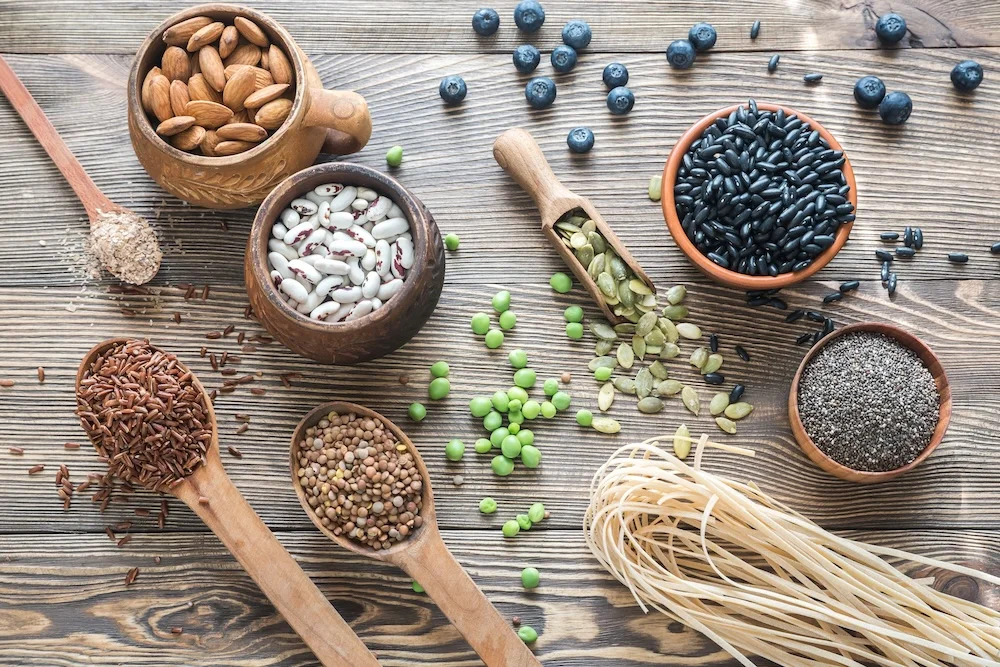
Fibermaxxing is exactly what it sounds like: intentionally maximizing the amount of fiber in your diet every single day. The trend took off on TikTok, where users began tracking fiber grams, sharing high-fiber meals stacked with chia seeds, berries, legumes, and whole grains, and talking openly about the digestive benefits they were experiencing. It’s less about restriction — no foods cut out, no complicated rules — and more about adding more of one specific thing.
Why Is Everyone Suddenly Talking About Fiber?
Fiber has always been good for you. The difference is that gut health is now front and center in wellness culture, and fiber is one of the most powerful tools for supporting it. Research links adequate fiber intake to better digestion, improved blood sugar control, reduced inflammation, and even benefits for mood and cognitive function.
The catch? Most of us aren’t getting nearly enough. According to dietary guidelines, adults should be consuming somewhere between 25 and 38 grams of fiber daily — yet fewer than one in ten Americans actually hits that number. Most people are getting about half of what they need.
So Is It Actually Worth Doing?
Nutrition experts are largely supportive of the idea, with one important caveat: go slowly. Adding a large amount of fiber to your diet all at once can cause significant digestive discomfort — bloating, cramping, the works. The goal is to build up gradually, drink plenty of water, and focus on variety rather than just volume.
The science is solid on the basics: more fiber, from real whole foods, is genuinely good for most people. Whether you call it fibermaxxing or just eating more vegetables is really up to you.
Easy Ways to Add More Fiber
You don’t need a supplement or a complicated meal plan to get started. A few simple swaps go a long way:
– Swap white bread and pasta for whole grain versions
– Add chia seeds or flaxseed to smoothies, yogurt, or oatmeal
– Make legumes — lentils, chickpeas, black beans — a regular part of your meals
– Snack on fruit, nuts, or raw vegetables instead of processed options
– Leave the skin on fruits and vegetables whenever possible
The Bottom Line
Fibermaxxing is one of those rare wellness trends where the name is a little silly but the underlying idea is genuinely sound. If you’re not eating enough fiber — and statistically, you probably aren’t — this is one trend worth paying attention to. Just don’t try to overhaul your diet overnight.
Want more wellness trends and Birmingham lifestyle content in your inbox? Sign up for the About Town email and stay in the loop.