

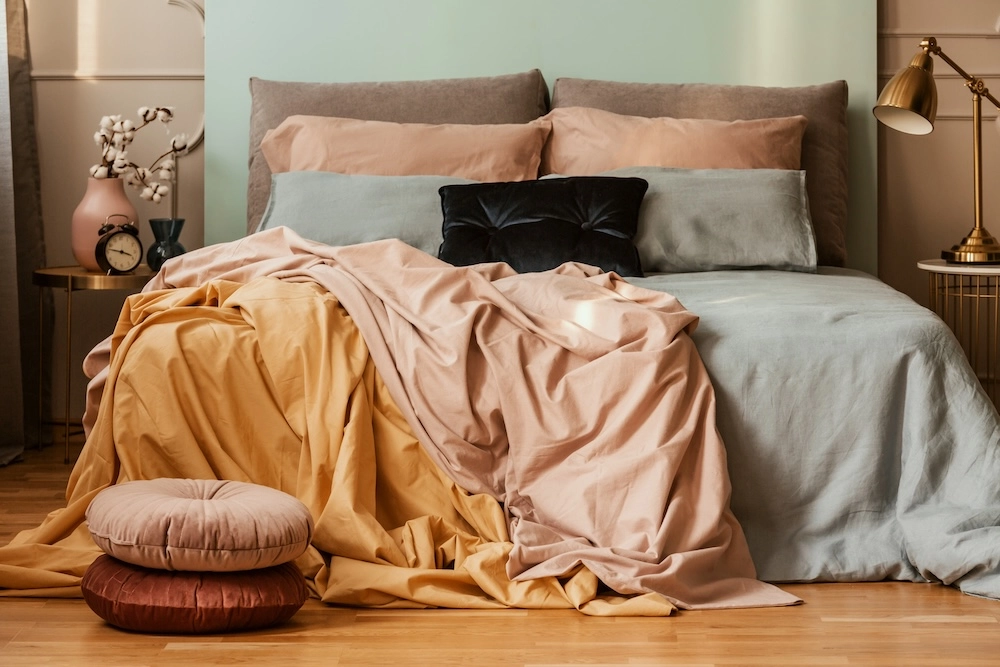
If you’ve spent any time on TikTok or Instagram lately, you’ve seen it. Someone curled up under a blanket, phone in hand, snacks within reach, doing absolutely nothing — and calling it self-care. The caption usually reads something like “just rotting in bed today.” Millions of posts. Millions of views. A whole generation nodding along.
So what exactly is bed rotting, and is it actually good for you?
What Is Bed Rotting?
Bed rotting is exactly what it sounds like: spending an extended period of time in bed, well beyond normal sleeping hours, doing low-effort activities — scrolling social media, binge-watching TV, reading, snacking, or simply lying still. The term went viral on TikTok and has since become a full-blown cultural moment, particularly among Gen Z and millennials who have reframed the behavior as intentional rest rather than laziness.
The idea is to step back from the relentless pace of daily life — the meetings, the obligations, the notifications — and simply decompress. No productivity. No plans. Just the bed.
Is There Anything to It?
Actually, yes — with some important caveats.
Mental health experts note that short-term, intentional rest can be genuinely beneficial. Taking time to decompress in a comfortable, low-stimulation environment can help reduce cortisol levels, support emotional regulation, and give an overstimulated nervous system a chance to reset. Think of it as hitting pause on a particularly chaotic day. Done occasionally and intentionally, it’s not so different from other forms of restorative rest.
The key word is occasionally.
When It Stops Being Self-Care
Here’s where the trend gets complicated. Experts draw a fairly clear line between occasional, restorative rest and habitual bed rotting — and the difference matters more than most people realize.
Spending too much time in bed and out of movement can lead to muscle stiffness, poor circulation, low energy, and disrupted sleep. That last one is particularly counterproductive: sleeping too much without adequate physical activity actually degrades your sleep quality over time. Your body learns to associate your bed with wakefulness and stimulation rather than rest, making it harder to fall asleep and stay asleep when it actually counts.
There’s a mental health dimension too. When bed rotting becomes a daily pattern — especially when it’s driven by anxiety, depression, or the desire to avoid the world — it can quietly reinforce the very feelings it’s meant to soothe. Isolation, low motivation, and negative thought spirals are all associated with excessive sedentary behavior.
The Honest Take
Bed rotting isn’t inherently bad. A lazy Saturday morning, a full recovery day after a big week, a rainy afternoon with nowhere to be — these are perfectly reasonable uses of your time, and there’s no need to moralize about them. Rest is real and it’s necessary.
But rebranding chronic disengagement as self-care is worth examining. The question worth asking isn’t “is bed rotting okay?” — it’s “why do I need this today, and is this actually making me feel better?” If the answer to that second question is yes, carry on. If it’s not, that’s worth paying attention to.
As with most wellness trends, the nuance is the whole point.
—
Want more wellness and lifestyle content from Birmingham and beyond? Sign up for the About Town email — we’ll keep you in the loop.