

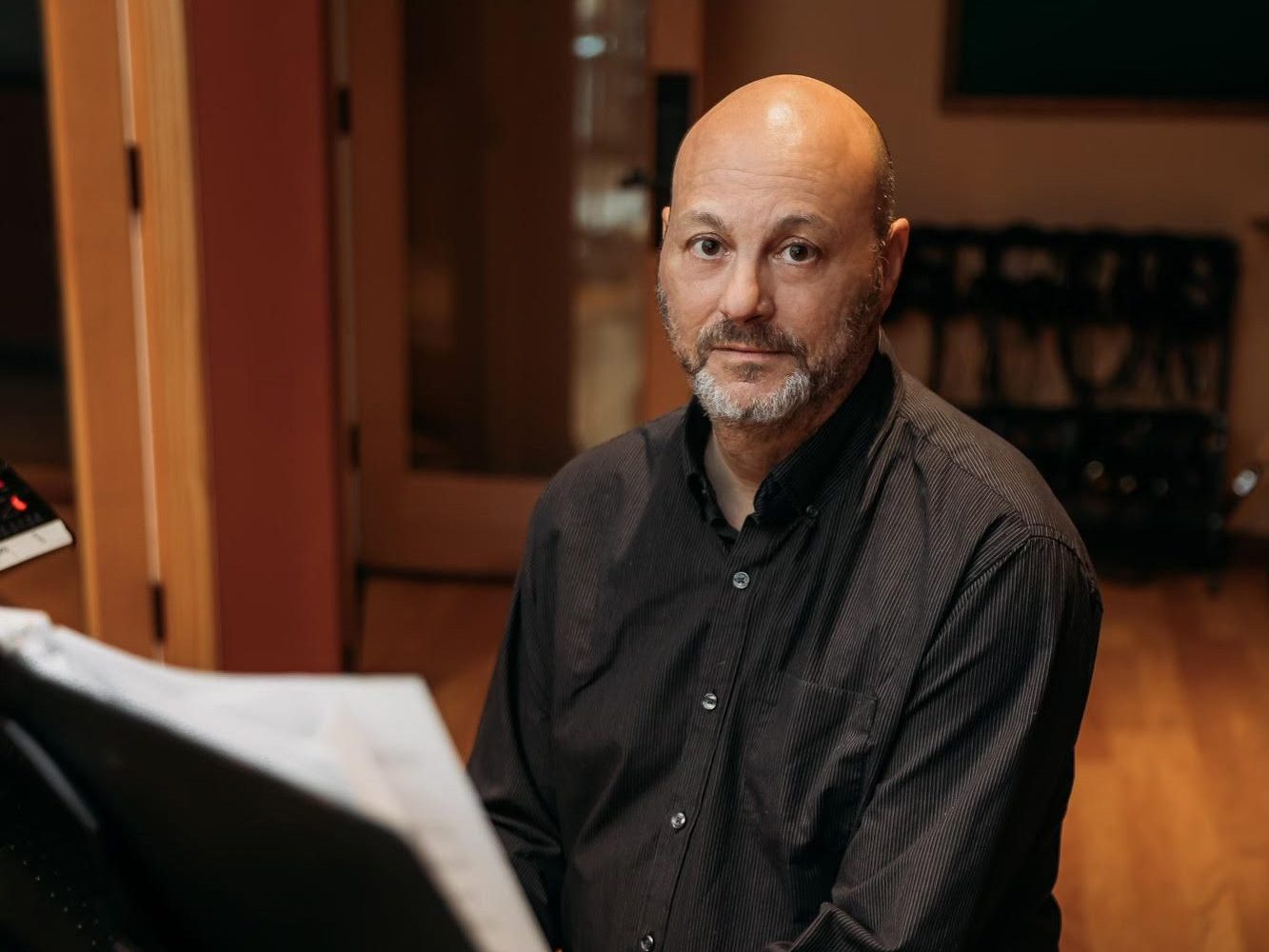
In anticipation of the upcoming 2026 Grammys, we had the opportunity to interview local composer, producer, and professor Craig Brandwein. With more than fifty years in the music industry, Brandwein has done everything from writing and producing music for artists, television, and musical theater to scoring more than a dozen independent films.
An Emmy-nominated producer and songwriter, he is also a voting member of the National Association of Recording Arts and Sciences (NARAS), the organization that presents the Grammy Awards. Find out what he has to say about the voting process, Alabama’s musical impact, and what he anticipates for the future of the industry.
You are a voting member of the Recording Academy and an Emmy-nominated professional. What does that process look like?
Serving as a voting member of the Recording Academy is a peer-review responsibility rooted in discernment and integrity. The process requires careful, repeated listening and an awareness of artistic, technical, and cultural context. Voters are expected to evaluate work within their areas of expertise and to prioritize excellence, innovation, and impact over visibility or commercial performance. As an Emmy-nominated professional and educator, I view this process as an extension of the critical listening and evaluative skills we emphasize in both industry practice and higher education.
Alabama has produced nationally recognized artists in recent years. How do you view the region’s role in today’s music ecosystem?
Alabama has always had a deep musical lineage, but what’s particularly compelling now is how artists are integrating that heritage with contemporary production and global distribution. From Birmingham to Muscle Shoals, there’s a growing creative infrastructure that allows artists to build sustainable careers without leaving the region. At UAB, we see firsthand how education, technology, and local culture intersect to support the next generation of artists and music industry professionals.
With technology constantly reshaping the industry, how do you recommend professionals and listeners discover new music?
Discovery works best when technology is paired with curatorial intention. Algorithmic tools are valuable, but they’re most effective when guided by active, informed listening. Editorial playlists, independent radio, live performance spaces, and academic environments all play a role. At UAB, we encourage students to approach discovery not as passive consumption, but as an ongoing dialogue with culture, history, and innovation.
As a professor of Music Technology, how do you think about listening formats in a professional context?
From a professional standpoint, the discussion is less about format preference and more about fidelity, context, and intent. High-resolution digital audio offers exceptional accuracy and accessibility, while analog formats provide a tactile and experiential dimension that many artists value. In the classroom at UAB, we focus on developing critical listening skills that translate across all formats — skills that are essential in both creative and technical roles within the industry.
Where do you see the business side of the music industry heading in the near future?
The industry continues to decentralize, with greater emphasis on diversified revenue streams, direct artist-to-fan engagement, and long-term intellectual property strategy. Sync licensing, immersive media, and data-informed decision-making will continue to grow in importance. At UAB, our goal is to prepare students not just for today’s industry, but for a landscape that will continue to evolve — where adaptability, education, and creative vision are equally essential.